
Sustainable Industrial Manufacturing: What OEMs Should Know
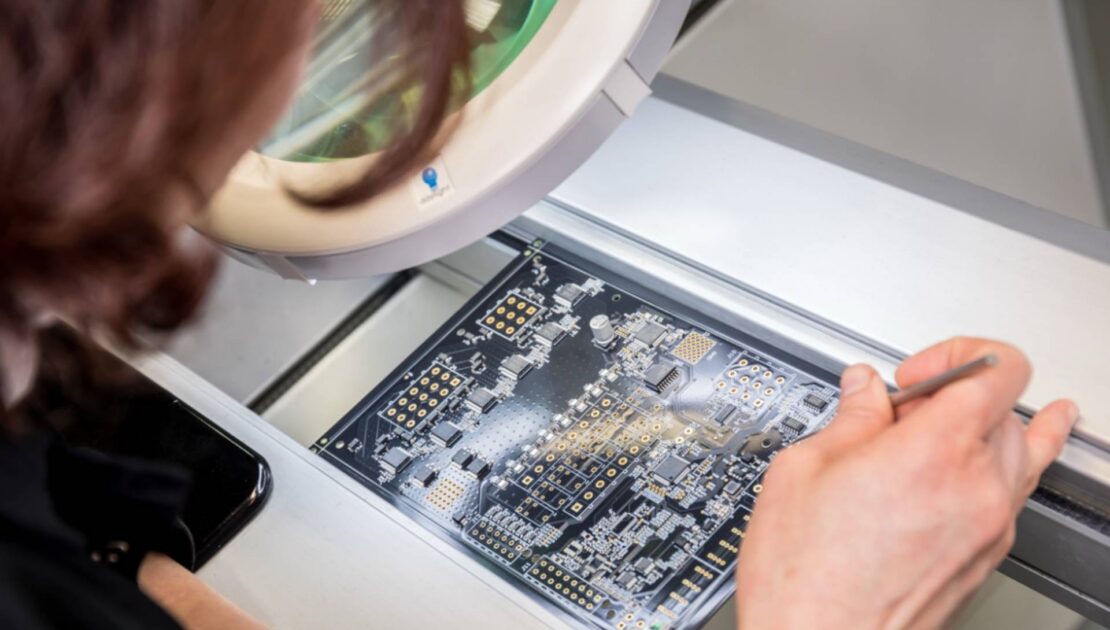
Most industrial products often remain in service for 10–20+ years, so sustainability shows up differently than it does in short-lifecycle markets. When products must be supported for years or decades, the biggest sustainability gains come from durability, longevity, and serviceability, rather than surface-level “green” initiatives focused on energy efficiency and reducing greenhouse gas emissions.
In this context, sustainable manufacturing is practical. Waste equals cost. Field failures are expensive, downtime disrupts operations, and replacements can trigger re-certification. Sustainable EMS practices help reduce risks and carbon emissions by supporting stronger lifecycle management, better NPI discipline, and clear strategies for sustaining builds and service over time.
This article explains the core principles of sustainable manufacturing practices, what they look like in an electronics manufacturing context, who benefits most from it, and why the business case tends to be strongest once there is a fielded product to support.
What “Sustainable” Means in Industrial Electronics Manufacturing
According to the Environmental Protection Agency (EPA), “Sustainable manufacturing is the creation of manufactured products through economically-sound processes that minimize negative environmental impacts while conserving energy and natural resources.”
For industrial operations, sustainable production is closely tied to lifecycle cost, reliability economics, and long-term supportability. It includes practices like repair/refurbishment pathways, revision control, and spare-parts management that lower the total lifecycle cost of ownership.
It also overlaps naturally with the expectations that already exist in regulated and documentation-heavy environments: traceability, documentation discipline, material disclosures, and controlled processes. Many industrial sectors are not driven by ESG branding but by compliance stack complexity. Sustainability-minded manufacturing supports the same operational discipline required by standards and certifications such as ISO 9001, ISO 13485, IPC-A-610, RoHS, UL, and others.
At a practical level, sustainable industrial production shows up in:
- Yield and waste efficiency (higher first-pass yield, less rework, less scrap)
- Lifecycle planning for components to reduce redesign risk and improve resiliency across multi-year programs
- Circularity through repair, refurbishment, and upgrades that extend asset life without requiring new hardware
- Reduced scrap and inventory waste, including scrap from redesigns, obsolete inventory, unused components, packaging waste, and EOL returns
How Is Sustainable Manufacturing Good for the Industry?
There are many benefits of sustainable manufacturing, including:
Longer product lifecycles
Industrial products often remain in service for 10–20+ years. Sustainability practices such as repair/refurbishment pathways, revision control, and spare-parts management lower the total lifecycle cost of ownership. For industrial buyers, this matters because field failures are expensive, downtime disrupts operations, and replacements can trigger re-certification. In this context, sustainability directly supports durability, longevity, serviceability, and operational efficiency.
Lower total cost of deployment
Sustainable manufacturing prioritizes fewer field failures, fewer warranty returns, fewer scrapped units, fewer re-shipments, and fewer end-of-life replacements. In industrial environments, downtime equals cost, making sustainable practices economically rational.
Global supply chain sustainability
Sustainable procurement encourages better visibility into sub-tier suppliers, ethical sourcing, compliance-ready documentation, and lifecycle planning for components. This reduces redesign risk and improves resiliency across your entire supply chain.
Alignment with regulatory and certification requirements
Sustainable operations overlap with certifications and standards because compliance demands traceability, documentation, material disclosures, and controlled processes.
Circularity extends asset value
Refurbishment, repair, and upgrade programs extend asset life without requiring new hardware. This supports aftermarket revenue models, fleet maintenance strategies, and software/version upgrade paths.
Reduced scrap and inventory waste
Industrial hardware is expensive and scrapping it is economically irrational. Sustainability-minded production processes reduce scrap from redesigns, obsolete inventory, unused components, packaging waste, and end-of-life returns.
Designing for Longevity
A lot of “sustainability” gets decided before the first build ever runs. During DFM and NPI, the goal is to reduce future redesign risk, avoid preventable field failures, and make sure the product can actually be supported once it is in service.
Component selection and lifecycle planning
During DFM and NPI, a strong EMS partner should flag components nearing end-of-life, single-source or high-risk parts, and anything with long lead times or unfavorable MOQs. The typical direction is to design for multi-vendor footprints and long lifecycle availability, so the product is less vulnerable to shortages and forced redesigns later.
Modular design for serviceability
While August is not doing the product design, the team can still push for modular assembly approaches that support field replacements, swap-and-return repairs, version upgrades, and future redesign without respinning full units. In many markets, uptime matters more than incremental BOM cost.
Mechanical access matters
Serviceability is not only about electronics. During NPI, it helps to flag mechanical constraints such as inaccessible fasteners, over-constrained cables, potting that prevents rework, conformal coating that blocks pads, or thermal interfaces that become destructive during teardown or reassembly.
Test strategy drives longevity
A robust test plan improves reliability and reduces e-waste. During NPI, that often means recommending appropriate test steps such as in-circuit testing, functional testing, firmware boot testing, and other product-specific checks.
Repair and refurbishment strategy
If the lifecycle goal includes field repair, extension, or refurbishment, the repair path needs to be defined upfront. The key question is: “If this fails in the field, what happens?” Board-level repair, subassembly swaps, full unit exchange, depot repair, or field repair all drive different design and documentation choices.
Facility-Level Practices That Reduce Waste
While many sustainability gains come from design and lifecycle decisions, manufacturing facilities also have opportunities to reduce waste within day-to-day operations. In electronics manufacturing, that often means focusing on how materials are handled, recovered, and processed after use.
One example at August Electronics is the Alpha Assembly solder metals reclaim program, which collects and processes materials generated during the manufacturing process. Instead of treating these non-renewable resources as disposable, the program minimizes waste by recovering and sending them through a recycling process that extracts usable metals.
Raw materials collected through the program can include:
- Solder paste waste
- Solder dross from solder pots
- Expired or contaminated solder materials
- Solder tips and small metal debris
- Scrap boards and leads containing recoverable metals
Reclaiming these materials reduces the amount of raw metal that needs to be mined and processed for new manufacturing. Metal extraction from ore is a major source of energy consumption, so recovering usable material from manufacturing byproducts can minimize negative environmental impacts and reduce carbon emissions.
Not all waste can be reclaimed. Some contaminated materials still require controlled disposal, often through incineration. However, reclaim programs still capture a meaningful portion of the metals used in electronics assembly and help the electronics manufacturing industry’s sustainability as a whole by preventing them from being permanently lost to landfill.
Supporting More Sustainable Manufacturing Practices Across The Product Lifecycle
For industrial OEMs, sustainability is rarely a standalone initiative. It is the result of smart manufacturing practices, thoughtful lifecycle planning, and products that can be supported long after the first production run.
That often requires close coordination between engineering teams and manufacturing partners during DFM, NPI, and sustaining production. Decisions made early around component selection, test strategy, and serviceability can have a lasting impact on how efficiently products are manufactured and supported over time.
At August Electronics, our focus is on helping OEMs build sustainable products that are reliable, supportable, and manufacturable across their full lifecycle. That includes supporting new product introductions, sustaining builds, and repair or refurbishment programs that keep viable equipment in service longer.
If you are evaluating manufacturing partners for an upcoming program or reviewing the lifecycle strategy for an existing product, reach out to August Electronics today. Our team can help assess manufacturability, responsible sourcing, and long-term support options.